Busan, Republic of Korea


New Construction Busan Opera House, Republik Korea
International Competition 2011
GFA: 54,000 sqm
More Infos
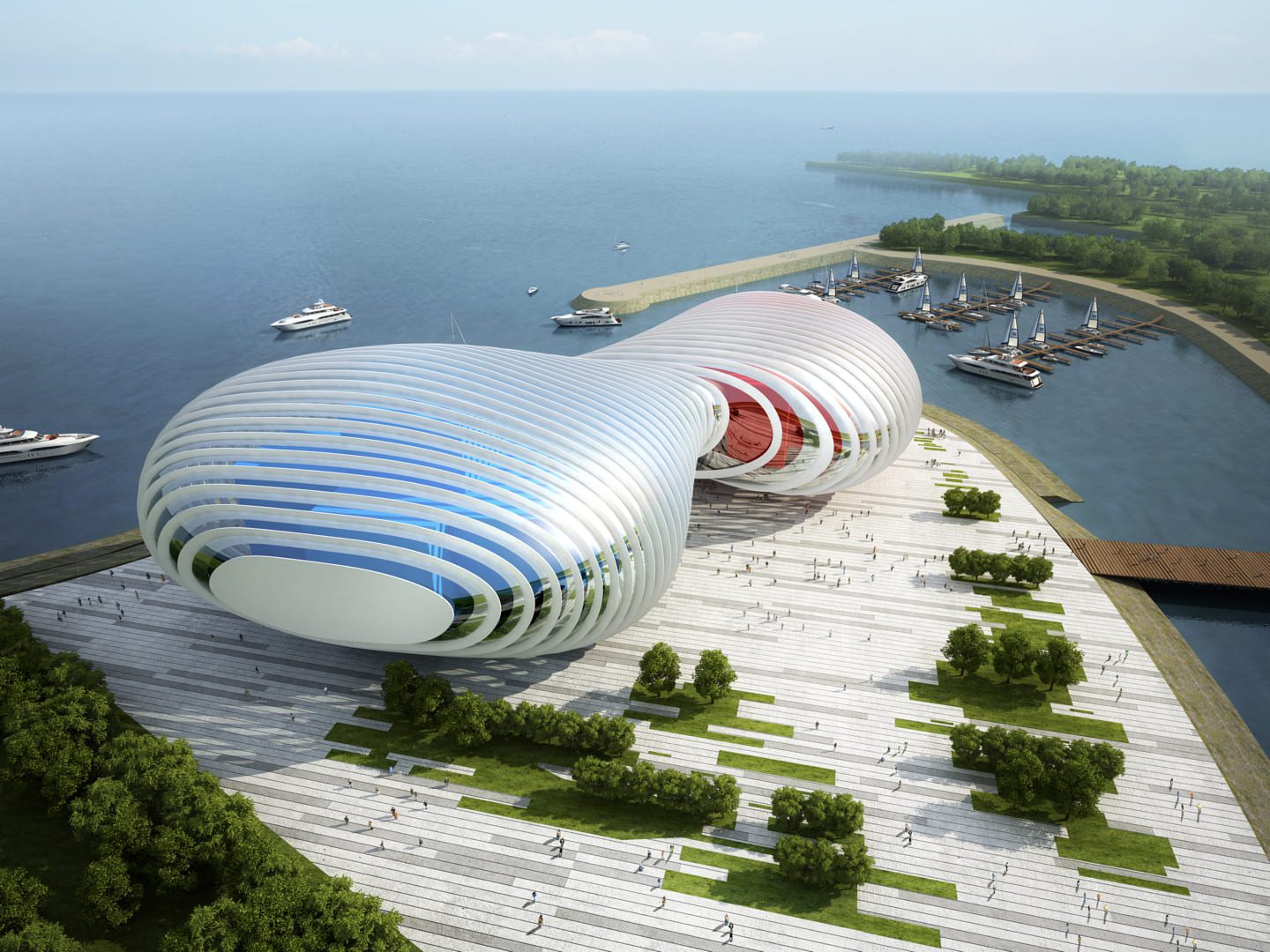
The city of Busan is defined by its unique geographical location. Mountain slopes rise directly from the shores of the Pacific Ocean. Thus, the magnificent nature contrasts sharply with a high population density in the urban fabric. As a result, there is an urgent need for public space in the tension zone between mountains and sea.
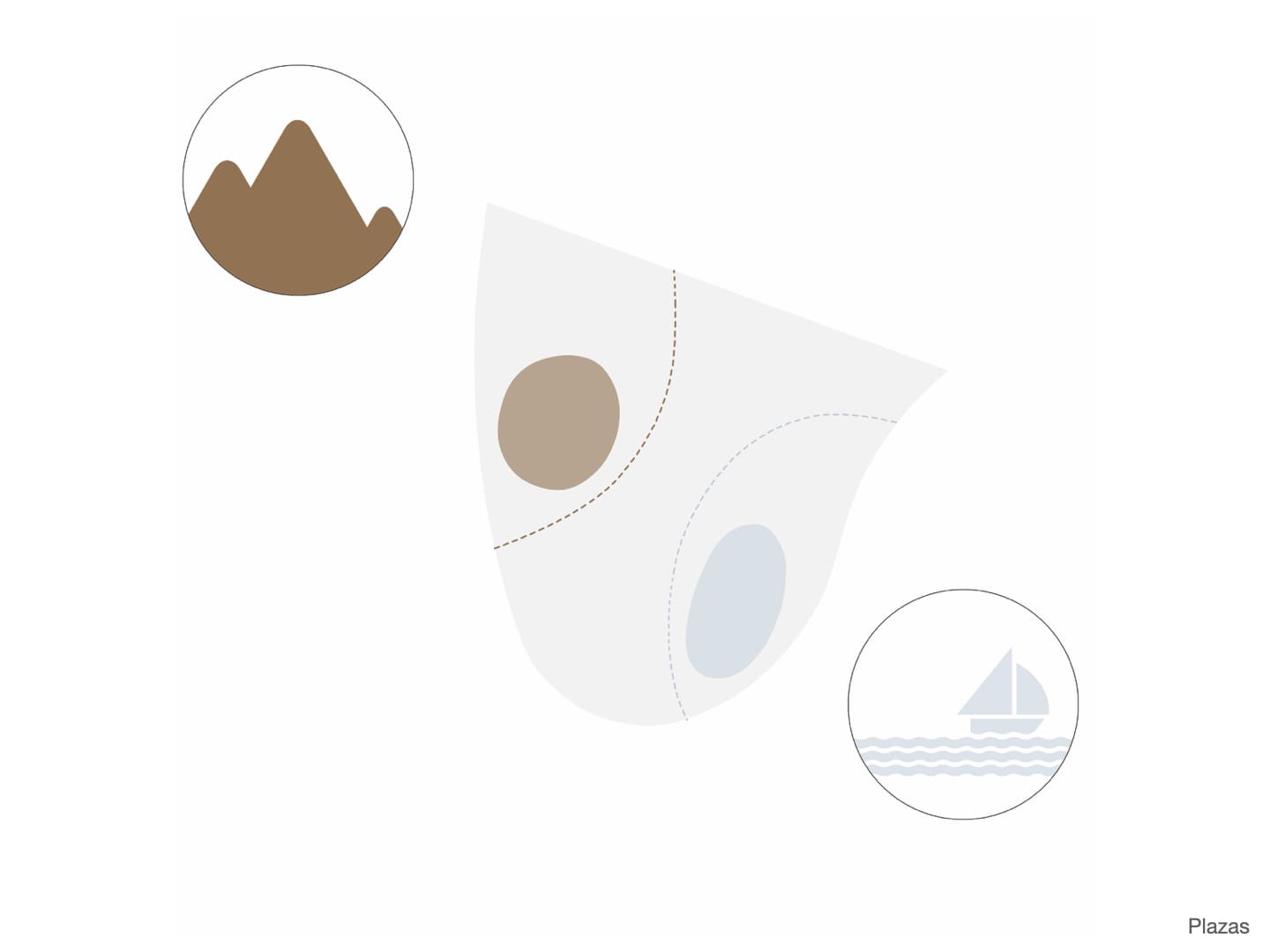
Furthermore, the two proposed new public plazas aim to create a new focus in the perception and use of public space in Busan. At the same time, they also serve as new central gathering places:
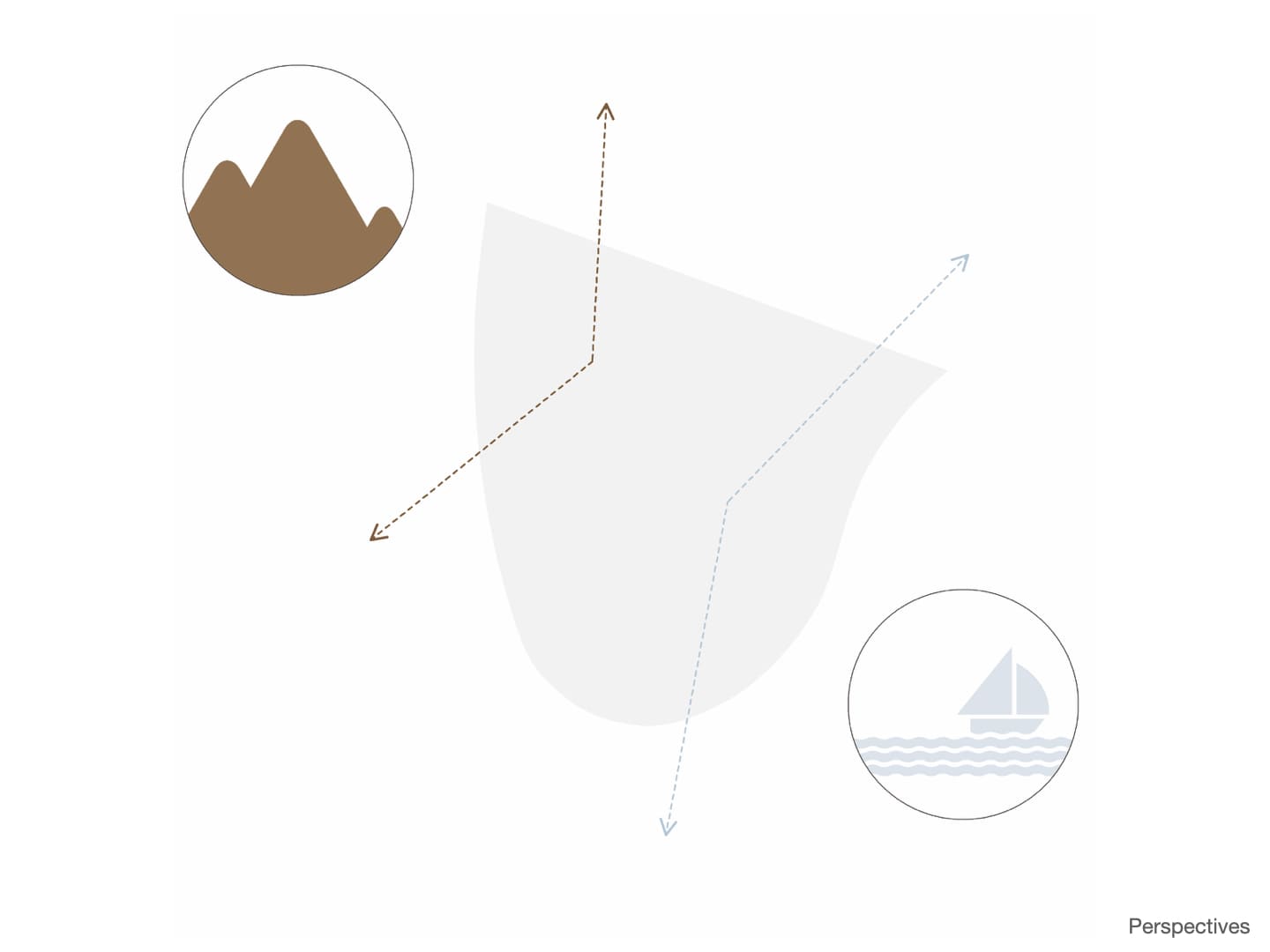
• Mountain Plaza faces the mountains and the skyline of Busan.
• Ocean Plaza is oriented towards the sea and hosts the annual “New Year’s Sunrise Festival.”
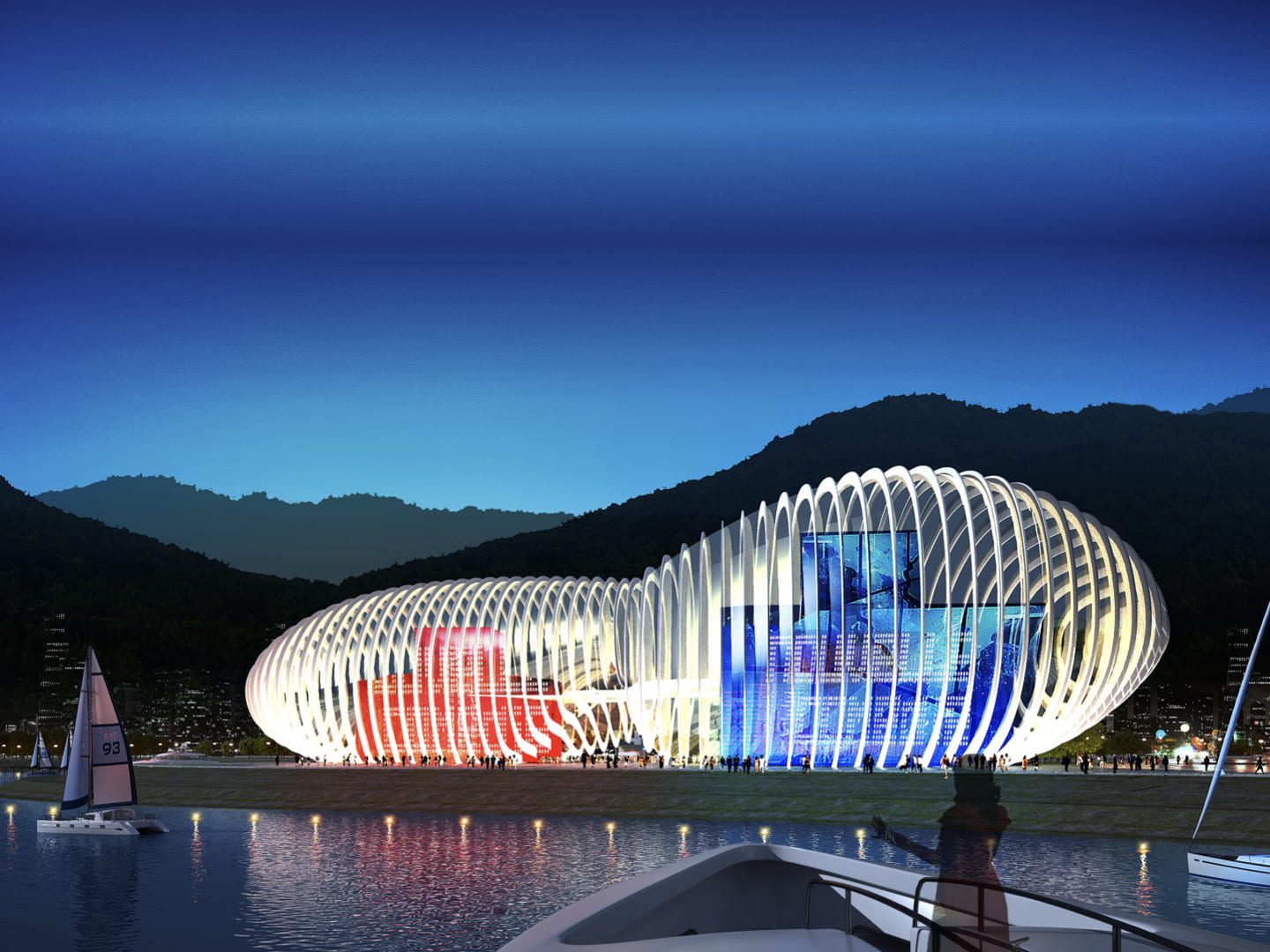
The design and use of the plazas are based on the traditional Korean concept of the “Madang.” This represents a traditional, spontaneous urbanity. The plazas provide space for gatherings, performances, or spontaneous events. Additionally, the main functions of the Busan Opera House – opera and theater – are each arranged in separate volumes oriented towards the plazas.
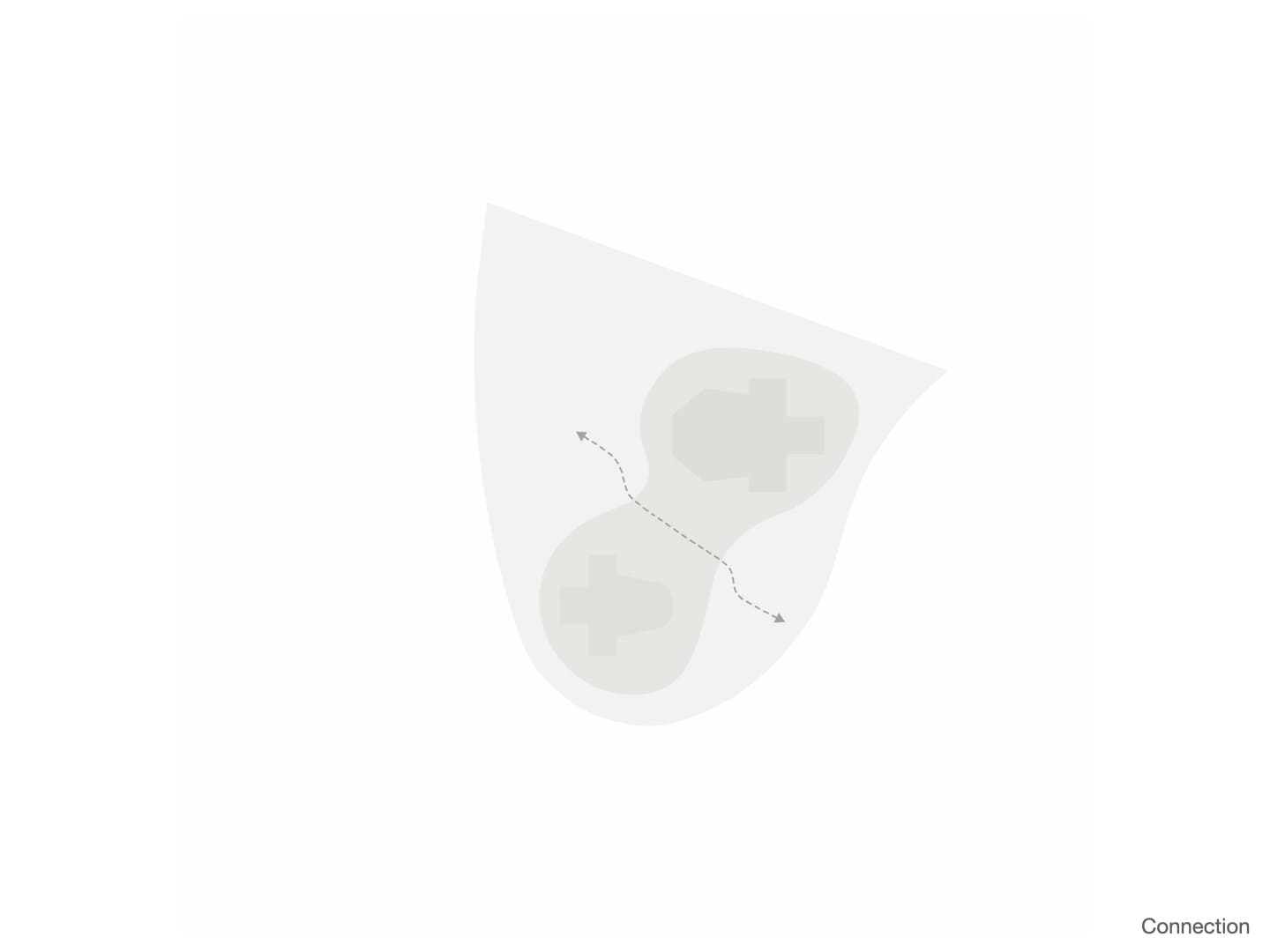
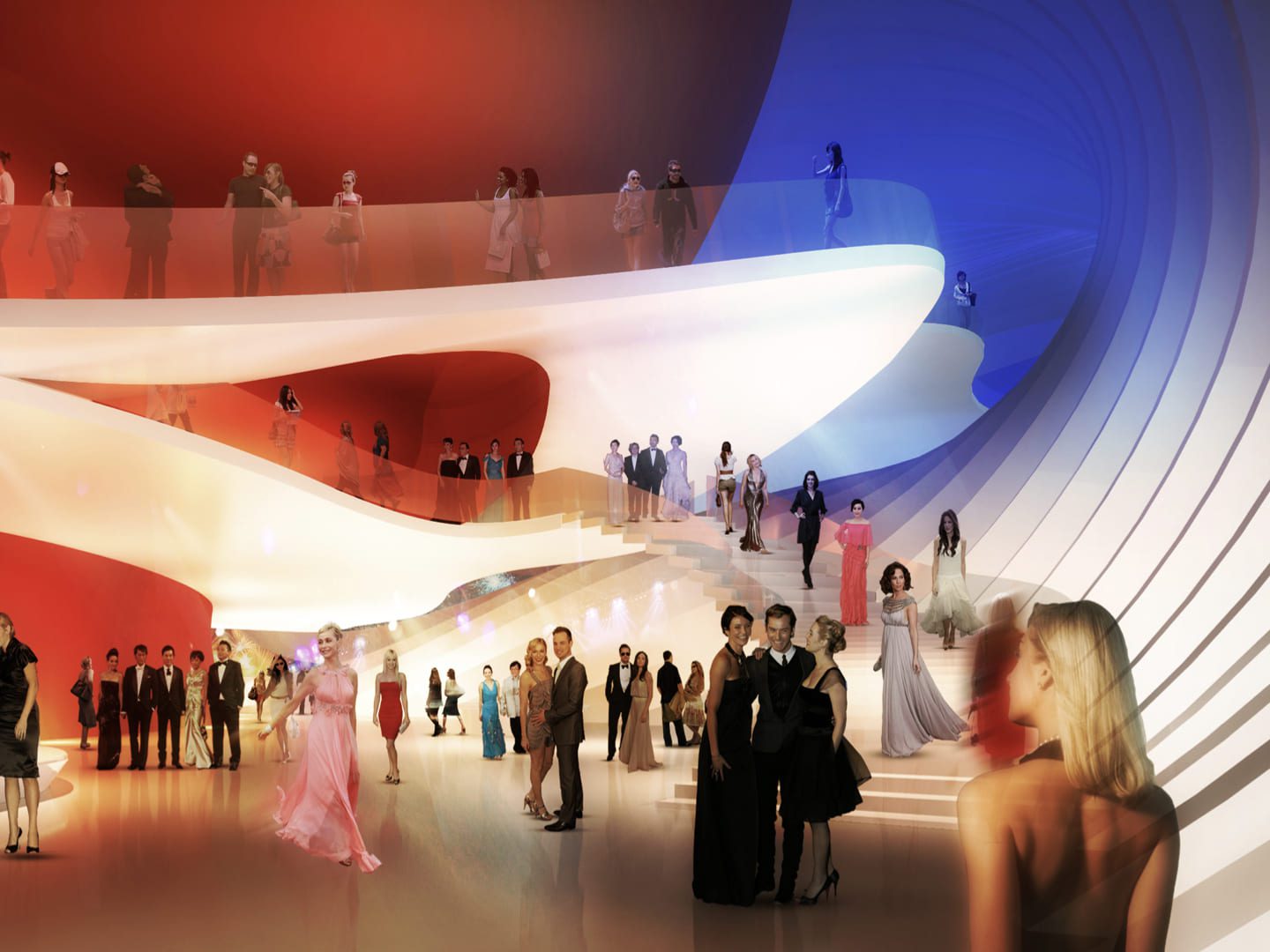
Moreover, a thin, transparent, and translucent skin protects the building interior from rain and sun. At the same time, it connects the volumes of the two main functions into one building. In the center, the building opens up, allowing public space to flow freely. This way, Mountain Plaza and Ocean Plaza are connected.
The new Busan Opera House reflects the unique natural and urban energies as a landmark. Furthermore, it combines them into the “Madangnoli” – a space for art and performance on Mountain and Sunrise Plazas. Here, an urban harmony for traditional and regional performances emerges. These are created by the residents and visitors of Busan and continuously change depending on the time of day.
In conclusion, the building’s construction is designed like a sound wave. Sustainable and environmentally friendly, it reflects Korea’s new future.
Render: Peter Ruge Architekten